Share The Craco Society Website:

August in Craco Vecchio

Then and now, harvest is the culmination of an entire year’s work and its completion is cause for celebration in all cultures.

August was a busy month in Craco for preserving foods that will be used throughout the winter months.  Countless bottles of tomatoes were preserved as a paste, pieces, or as whole peeled tomatoes.

People also sifted and sorted the faveand ceci beans to select the best of them which were put into sacs for the winter. The not-so-good legumes were used as food for the animals.
“Ceci al tufo” and fave beans were dried and prepared as snack foods along with Ceci al tufo.  Lupini beans were brined and preserved for snacking too.

In Craco this culminates on August 15th with the celebration of Ferragosto, which is celebrated throughout Italy and coincides with the Roman Catholic holy day of the Assumption.


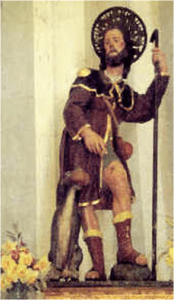
After Ferragosto, many people from Craco would walk to the neighboring town of Pisticci to celebrate the feast of San Rocco there.


AGOSTO A CRACO VECCHIO

Tutt’oggi come un tempo, il raccolto è il risultato culmine di un anno intero di lavoro, il cui completamento è per tutti i popoli sinonimo di celebrazioni e gioia.

Agosto a Craco era un mese di grande lavoro, durante il quale si cominciavano a mettere in conserva i cibi da consumare durante i mesi invernali. Innumerevoli erano quindi le bottiglie di pomodori che venivano preparate per essere preservate: vi erano bottiglie contenenti pezzi di pomodori interi, bottiglie di pelati e bottiglie di passata di pomodoro.

La gente locale era solita selezionare e dividere le fave ed i ceci per ottenerne la parte qualitativamente migliore, anch’essa da essere poi radunato in sacchi per l’inverno. I legumi non di prima qualità venivano dati invece come foraggio per gli animali.

I “ceci al tufo” e le fave venivano essiccate per essere poi preparate come snack, quindi alimenti per spuntini veloci. Anche gli stessi Lupini venivano ripuliti per essere poi messi in conserva, anch’essi come snack.

A Craco il termine dei lavori si raggiungeva durante il 15 di Agosto circa, giorno in cui prendevano piede le celebrazioni di Ferragosto. Ferragosto, celebrato largamente tutt’ora in ogni regione italiana, coincide con il giorno di festa romano cattolico della sacra assunzione.

Dopo ferragosto molti abitanti erano soliti camminare da Craco fino al paese confinante di Pisticci per aggregarsi alla festa di San Rocco.


Posted on in category: Craco Vecchio | Tagged | Comments Off on August in Craco Vecchio

NEW FORMAT TEST – AUGUST NEWSLETTER

Newsletter Tabloid Test – August_

Posted on in category: Uncategorized | Comments Off on NEW FORMAT TEST – AUGUST NEWSLETTER

August/Agosto 2026 Newsletter ~ Italian

CracoAugust2026NewletterItalian

Posted on in category: Italian Versions, Newsletter Archives | Comments Off on August/Agosto 2026 Newsletter ~ Italian

August/Agosto 2026 Newsletter ~ English

CracoAugust2026NewletterEnglish

Posted on in category: English Versions, Newsletter Archives, Uncategorized | Comments Off on August/Agosto 2026 Newsletter ~ English

Craco Society 125th Journal Ad Submission

Craco Society 125th Journal Ad Submission

Posted on in category: Uncategorized | Comments Off on Craco Society 125th Journal Ad Submission

July In Craco Vecchio

July was another busy, but rewarding month for citizens of Craco Vecchio.

They were occupied with the heavy manual labour of threshing the grain harvested in the prior month and finalizing the cultivation of fave and ceci.

Threshing grain is the process of separating grains from the stalks of the plant called chaff. In the 1950s, mechanical threshers were introduced in the area although it was difficult to get these machines onto the farms due to a lack of roads and the hilly terrain.

By today’s standards it was a slow process which has now been replaced by the use self-propelled combines to comb swaths of wheat and spew the separated grain into trucks travelling alongside.

For the fave and ceci beans, horses were used to trample over the dried crops to separate the legume from the plant. Farmers then relied on the presence of a strong wind to blow away the plant and leave the edible legumes behind.

Some were dried to preserve them for use during the long winter.

Historic Dates in Craco

  • 1678 – Fra’ Giuseppe of Craco was elected the Provincial Priest of the monastery in Craco.
  • 1806 – a group of citizens including the farmers who wanted land, former soldiers, and Bourbons stood in opposition to the army of Napoleon .
  • 18 July 1807 – The band of briganti headed by Antonio Barberio killed Nicola Rigirone (28 years old, husband of Angiola Rinaldi), looted and robbed the town, and caused injuries to some citizens.
  • 1861 – Archimede Rigirone was appointed mayor, replacing Francesco Cammarota.
  • 25 July 1874 – Cappuccino, the Crachese briganti was killed in a barrage of fire in the territory of Padula.
  • 1944 – eight temporary policemen, Emanuele Pisciotta, Salvatore Spera (son of the late Domenico), Nicola Colabella (di Alfredo), Giuseppe Lerro (son of the late Gennaro), Salvatore Episcopia (di Francesco), Pietro D‘Elia (son of the late Antonio), Antonio Consoli, and Donato Spera (son of the late Donato). were hired to guard the grain harvest to avoid the theft of and the subsequent smuggling of agricultural produce
  • 1984 – first edition of Note Storiche sul Comune di Craco is published by Prof. Dino D’Angella in Italy.

LUGLIO A CRACO VECCHIO

Luglio era un mese altrettanto ricco di attività, particolarmente gratificante per tutti i cittadini di Craco Vecchio. Gli abitanti erano infatti occupati dal duro lavoro manuale di trebbiatura del grano raccolto durante il mese precedente, oltre a dover terminare la coltivazione di fave e ceci.

La trebbiatura del grano è il processo di separazione dei chicchi dal gambo della pianta, chiamato pula. Durante gli anni cinquanta del secolo scorso le trebbiatrici sono state introdotte per la prima volta nell’area lucana: nonostante ciò, la loro espansione è stata in un primo momento ridotta poichè era difficile riuscire a trasportare queste macchine fino alle fattorie a causa della mancanza di strade e per la presenza di un territorio particolarmente collinare.

Se comparato con gli standard del giorno d’oggi però, il loro funzionamento era caratterizzato ancora da un processo molto lento, che è stato poi sostituito da macchinari automotrici in grado di estrarre le bande di frumento e di far fuoriuscire il grano separato in appositi camions in movimento a lato della trebbiatrice.

Riguardo alle fave ed ai ceci, in passato venivano usati i cavalli per calpestare la pianta in modo da separarne i semi dal resto. In seguito i contadini hanno cominciato a sfruttare la presenza della forza del vento per suddividere la pianta, lasciando quindi i legumi commestibili.

Alcuni venivano seccati per essere poi conservati durante l’inverno.

Le date storiche di Craco

  • 1678 – Fra’ Giuseppe of Craco was elected the Provincial Priest of the monastery in Craco.
  • 1806 – a group of citizens including the farmers who wanted land, former soldiers, and Bourbons stood in opposition to the army of Napoleon .
  • 18 July 1807 – The band of briganti headed by Antonio Barberio killed Nicola Rigirone (28 years old, husband of Angiola Rinaldi), looted and robbed the town, and caused injuries to some citizens.
  • 1861 – Archimede Rigirone was appointed mayor, replacing Francesco Cammarota.
  • 25 July 1874 – Cappuccino, the Crachese briganti was killed in a barrage of fire in the territory of Padula.
  • 1944 – eight temporary policemen, Emanuele Pisciotta, Salvatore Spera (son of the late Domenico), Nicola Colabella (di Alfredo), Giuseppe Lerro (son of the late Gennaro), Salvatore Episcopia (di Francesco), Pietro D‘Elia (son of the late Antonio), Antonio Consoli, and Donato Spera (son of the late Donato). were hired to guard the grain harvest to avoid the theft of and the subsequent smuggling of agricultural produce
  • 1984 – first edition of Note Storiche sul Comune di Craco is published by Prof. Dino D’Angella in Italy.
Posted on in category: Craco Vecchio | Comments Off on July In Craco Vecchio

July/Luglio 2026 Newsletter ~ Italian

CracoJuly2026NewletterItalian

Posted on in category: Italian Versions, Newsletter Archives | Comments Off on July/Luglio 2026 Newsletter ~ Italian

July/Luglio 2026 Newsletter ~ English

CracoJuly2026Newletter

Posted on in category: English Versions, Newsletter Archives | Comments Off on July/Luglio 2026 Newsletter ~ English

June in Craco Vecchio

June was a busy month in Craco Vecchio. The population, moving to the rhythm of the seasons needed to address a significant agricultural milestone and also had to deal with the celebration of a church event.

In the fields there was much hard work that had to be done because the grain harvest was ready. Using only hand tools and with only the aid of a donkey or mule everyone contributed. This timeless process was repeated for hundreds of years. Scenes from the late 1960’s of part of the harvesting process can be seen in the Society’s DVD Craco: Visits through Time. Starting with the cutting down of the sheaves of the wheat they were then tied in bundles. The bundles then were gathered and transported to a location where it would be set aside to be threshed in July.

The land also provided a reward that could be consumed in June.  The first figs called “Fioroni or culummë” ripened and ready to be picked. The fig tree has 2 crops; the first (fiorini) are bigger and not as sweet and flavorful as the later ripening figs. Also, their skin tends to be tougher and thicker than those that come out later in the season. Theses are not as juicy or syrupy as the settembrini (autumn figs) that come out in the second crop later in the year.

At mid-month, on June 13 the Church and the townspeople celebrated the feast of St. Anthony. The children were dressed in a monk’s cloak as a devotion to St. Anthony.  Small loaves of bread, “St. Anthony’s Bread,” were baked and taken to the church to have them blessed, then they were given away to the poor.

Saint Anthony of Padua was born in Portugal and became a follower of St. Francis of Assisi spending his ministry in Italy.  He performed several miracles involving children and was involved in an apparition with the infant Jesus. He died on June 13, 1231. Tradition holds on the day of his death the children in the streets of the city of Padua were crying: “The saint is dead, Anthony is dead.” He was canonized within a year of his death. The city of Padua began building a large cathedral to honor him and in 1263, a child drowned near the construction site. The child’s mother  besought St. Anthony and promised that if her child were restored to life, she would give to the poor an amount of wheat equal to the weight of her child. Of course the child was saved, and her promise was kept creating the custom of “St. Anthony’s Bread.” There is the widespread tradition of placing children under his protection right from birth. From this custom followed the tradition of dressing children in a little Franciscan habit to thank the Saint for his protection and to make it known to others.

Historic Dates in Craco

  • 4 June 1792 – The body of San Vincenzo, arrived in Craco and placed in the chapel of the Madonna della Stella on the following day it was brought in a solemn procession to Craco.
  • 10 June 1810—Dr. Giovanni Eligio Rigirone, about 28 years old, was killed in a building on Vico Santa Barbara. Antonio Chiarito, was arrested and after a trial convicted of the crime.
  • 25 June 1862—Custom guards Domenico Salsano, (native of Afragola) and Gaetano Solomone (of Noja, today Naples) were killed in the countryside near Craco by brigands. On the same day, a Rigirone, who was a National Guard soldier in Craco “had his head cut off by means of a knife” by a brigand group.

Giugno a Craco Vecchio

A Craco Vecchio la popolazione, che da sempre soleva seguire il ritmo delle stagioni, doveva tener presente in giugno di una mole lavorativa particolarmente pesante dal punto di vista agricolo, alla quale si aggiungevano le celebrazioni ecclesiastiche dello stesso periodo.

Nei campi infatti molto era il lavoro richiesto, comportato principalmente dalla raccolta del grano: poiché questo veniva infatti tagliato e raccolto con utensili e a mano, solo con l’aiuto ulteriore di agili asinelli o muli, tutti i popolani venivano chiamati a partecipare. Questo processo senza tempo si ripeteva da centinaia di anni seguendo le stesse modalità. Alcune immagini della scena del raccolto, risalenti alla seconda metà degli anni sessanta del secolo scorso, sono visibili dal DVD Societario di “Craco: visite attraverso il tempo”.

Tutto aveva inizio con la divisione del grano dalla paglia, la quale veniva poi raccolta in covoni. Questi covoni, o balle di paglia, venivano conservati in un luogo asciutto dove sarebbe rimasti fino a Luglio, mese in cui sarebbero poi stati sciolti e la cui paglia usata.

La terra dava vita a frutti di cui giugno era il mese di maturazione e consumazione. I primi fichi, che venivano chiamati “Fioroni” o “Columme”, maturavano ed erano pronti per essere colti proprio in questo periodo. La pianta di fico produce due tipi di frutto: il primo, chiamato “fiorino”, è più grande ma meno succoso e dolce rispetto al secondo più tardivo. In più, la buccia del fiorino è più spessa e rigida rispetto alle altre. Il secondo frutto di fico è il “settembrino”, che come lascia intendere il suo nome è un fico autunnale, più dolciastro e sciropposo.

A metà del mese, esattamente durante la giornata del giorno 13, i popolani e la chiesa celebravano la festa di Sant’Antonio. I bambini venivano vestiti con tuniche da monaco, proprio come segno di devozione e sottomissione verso il santo. Piccole pagnotte, rinomate sotto il nome di “pane di Sant’Antonio”, venivano cotte al forno per poi esser trasportate in chiesa, benedette e poi distribuite ai più poveri.

Sant’Antonio di Padova nacque in Portogallo ma divenne un seguace di San Francesco d’Assisi durante il suo periodo di catechesi in Italia. Diversi furono i miracoli che eseguì, in particolar modo su bambini, alcuni anche attribuiti al bambin Gesù. Morì il giorno 13 Giugno dell’anno 1231. Secondo la tradizione, che prese poi piede in seguito alla sua deposizione, in quella giornata i bambini nella città di Padova piangevano correndo nelle strade e lamentando la morte inaspettata del santo, urlando: “il santo è morto, Antonio è morto!”. L’anno successivo alla sua morte Antonio fu santificato.

La città di Padova cominciò quindi ad edificare un’enorme cattedrale in suo onore e nel 1263 si dice che un bambino annegò vicino allo stabile in costruzione. Secondo la leggenda. la madre del fanciullo pregò quindi Sant’Antonio e gli promise che, nel caso in cui suo figlio fosse fatto resuscitare dalla morte, lei avrebbe donato ai poveri una quantità di grano il cui peso sarebbe stato uguale al peso fisico del proprio figlio. Ovviamente il figliolo fu riportato in vita e la madre mantenne la promessa, iniziando il costume che ancor’oggi si ripete del “pane di Sant’Antonio”.

Tutt’ora sussite la tradizione di voler richiedere al santo la protezione dei propri bambini subito dopo la loro nascita. Da ciò ebbe inizio anche la tradizione di vestire i bambini in abiti francescani, finalizzata a ringraziare il santo della sua protezione e per renderlo noto a chi non lo conoscesse.

Le date storiche di Craco

  • 4 giugno 1792 – la reliquia del corpo di San Vincenzo arriva a Craco prima di esser posizionata all’interno della cappella della Madonna della Stella. Verrà trasportata tramite una processione solenne attraverso il paese di Craco il giorno successivo.
  • 10 giugno 1810 — il dottor Giovanni Eligio Rigirone, di appena 28 anni, viene assassinato su Vico Santa Barbara. Antonio Chiarito verrà accusato del delitto e, dopo un breve processo, condannato.
  • 25 giugno 1862— I guardiani Domenico Salsano, (nativo di Afragola) e Gaetano Solomone (di Noja, oggi Napoli) vengono massacrati dai briganti nelle campagne vicino a Craco. Durante lo stesso giorno, a Rigirone, un soldato della guardia nazionale di Craco, verrà mozzata la testa con un coltello da un gruppo di briganti.


Posted on in category: Craco Vecchio | Tagged | Comments Off on June in Craco Vecchio

June/Giungo 2026 ~ Italian

CracoJune2026NewletterItalian

Posted on in category: Italian Versions, Newsletter Archives | Comments Off on June/Giungo 2026 ~ Italian
Top